
Future Trends in Logistics and Supply Chain Management
icaruseducationacademy
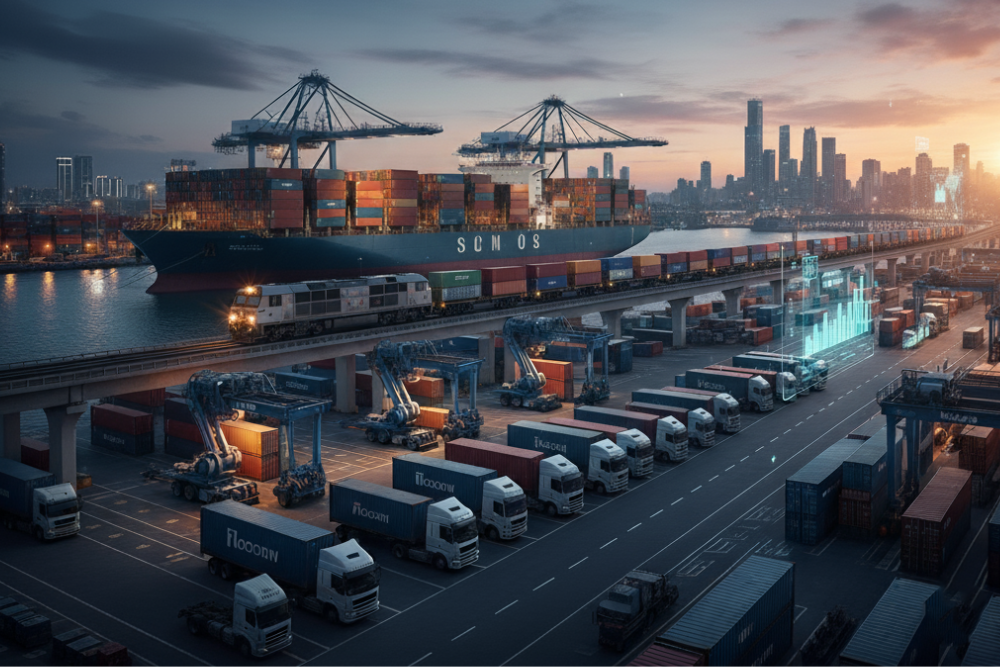
Logistics and supply chain management are changing faster than ever before. The industry has gone far beyond traditional warehousing and transportation today; it is about technology, innovation, and global thinking. Every brand that promises quick delivery or efficient service depends on people who understand how goods move, how systems connect, and how to make everything work smoothly behind the scenes.
The Rising Importance of Logistics and Supply Chain Management
Supply chains are the arteries of the global economy. They connect raw materials, manufacturers, distributors, and end consumers in a complex web of processes that must function seamlessly for products to reach their destinations on time and intact. In a world where customers demand quick delivery and transparency, logistics and supply chain management has become a strategic advantage for companies. This growing complexity necessitates skilled professionals trained in the latest management techniques and technologies, creating strong demand for quality education programs like our Supply Chain Management Course and Diploma in Logistics.
Why Logistics Matters More Than Ever
No business can function without a strong supply chain. Whether it’s a small local brand or a multinational company, every product has a story that begins with sourcing materials and ends with a satisfied customer. In this process, logistics professionals ensure the journey is cost-effective, fast, and reliable. As trade networks expand, companies need people who can manage both efficiency and sustainability.
Emerging Shifts in the Industry
1. Smart Technology
The use of automation, robotics, and artificial intelligence is transforming how warehouses and transport systems work. Self-driving forklifts, AI route planning, and automated inventory checks are replacing repetitive manual tasks. This doesn’t mean jobs are disappearing—it means professionals need stronger technical skills to manage and maintain these new systems.
2. Sustainability First
Customers today are more conscious of how products are made and delivered. Businesses are responding by shifting to electric or hybrid transport, recycled packaging, and energy-efficient storage. The move toward greener supply chains is not just ethical; it also reduces operating costs in the long run.
3. Data-Driven Decisions
Data has become a key part of supply chain visibility. From tracking goods in real time to predicting stock shortages, companies rely on analytics to stay ahead. Logistics managers now use dashboards and software to forecast demand and avoid costly disruptions.
4. E-Commerce and Last-Mile Delivery
Online shopping continues to change delivery systems. Fast and flexible last-mile solutions like local distribution hubs or on-demand delivery services are now a major business priority. Every second saved in delivery improves customer loyalty, and that’s where skilled logistics experts make a difference.
5. Global Resilience
Recent global events showed how easily a single disruption can affect worldwide supply. Companies are now focusing on building stronger links, diversifying suppliers, and having backup routes. This push for resilience means more opportunities for professionals who can handle risk and strategic planning.
6. Blockchain Transparency
Blockchain is no longer just a buzzword. For supply chains, it means more reliable tracking, fewer disputes, and better trust among partners. Transparency isn’t just good ethics—it builds credibility across the supply network.
Career Opportunities Ahead
There’s no shortage of opportunities for skilled professionals. Logistics and supply chain management now offer roles in operations, planning, analytics, sustainability, and forecasting. Anyone interested in problem-solving, coordination, or technology-driven management can find a strong career path here.
Placement Support for Career Success
Icarus Education Academy stands out not only for its well-rounded education but also for its strong placement assistance dedicated to students registered in the Supply Chain Management Course and Diploma in Logistics. Understanding that quality education must translate into real career opportunities, the academy has put in place dedicated resources to help students secure positions in esteemed organizations.
This placement assistance ensures that learners are not only industry-ready but also positioned for meaningful employment that aligns with their skills and interests. For those looking to build a promising career in logistics and supply chain management, this support adds significant value and confidence.
Learning with Icarus Education Academy
At Icarus Education Academy in Kochi, the logistics programs are designed with industry needs in mind. The Supply Chain Management Course and Diploma in Logistics blend classroom learning with practical insights from the field. Students don’t just study concepts, they learn how those ideas work in real supply chain environments. The academy’s approach equips learners with the analytical, digital, and managerial skills needed to succeed in a rapidly evolving business world.
The next decade will redefine how supply chains function, with technology, sustainability, and innovation guiding the way. Those who learn to adapt will lead this transformation. For students looking to begin a career with a global scope, this is the perfect time to step into logistics and supply chain management. With the right training from Icarus Education Academy, the possibilities are endless.